It is one of the most common questions we hear, and the honest answer is that it depends. Permit rules for roofing are set locally. The City of Vancouver, Clark County, and each of the smaller cities like Camas, Battle Ground, and Ridgefield have their own building departments and their own rules. Across the river, Portland and the other Oregon cities have theirs. The answer can also change based on exactly what the job includes.
This post does not try to state the rules for any one place, because they vary and they change. Instead, it explains the parts of a roofing job that tend to affect whether a permit is needed, who to ask, and what to expect from a roofer on the permit side.
Why the answer depends on where you live
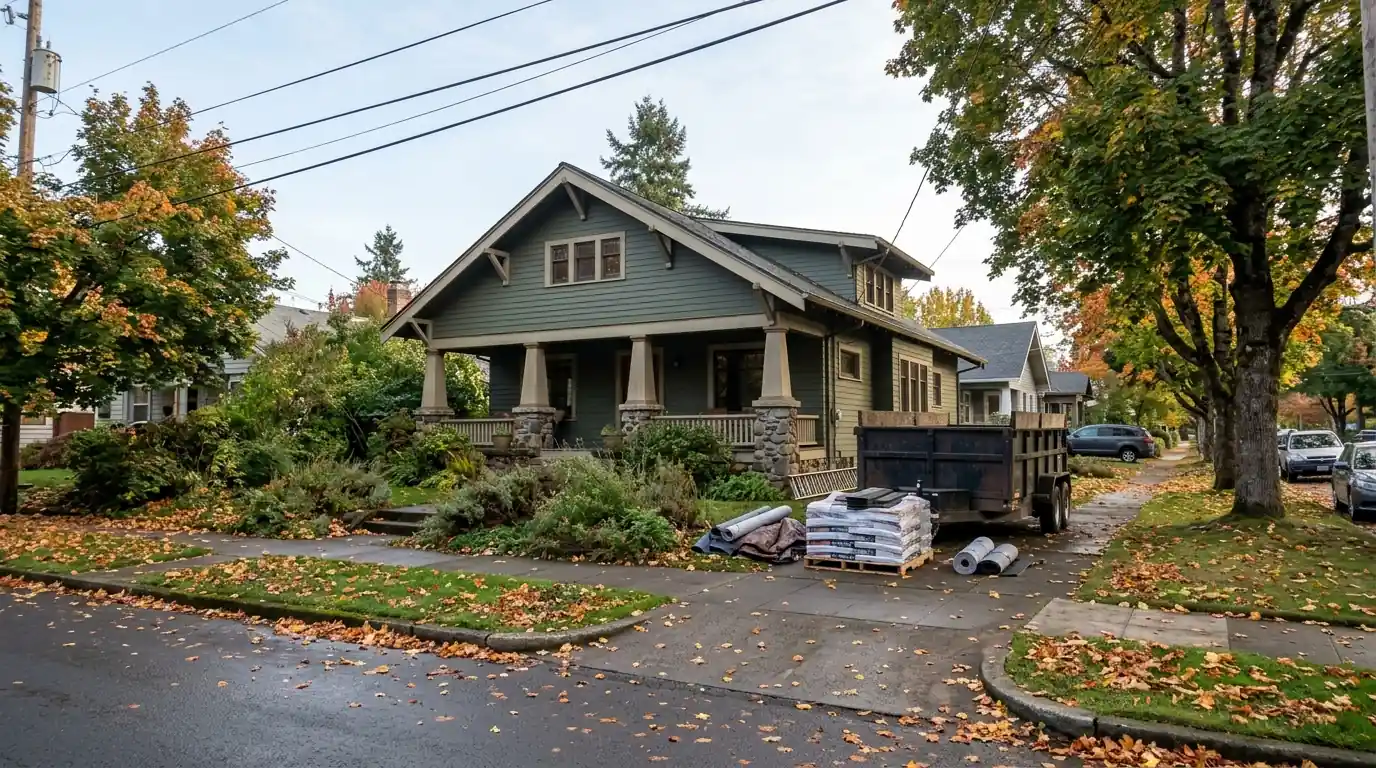
A house inside Vancouver city limits falls under the City of Vancouver building department. A house in unincorporated Clark County, such as much of Hazel Dell, Felida, Salmon Creek, or the rural areas near Brush Prairie, usually falls under Clark County instead. Camas, Washougal, Battle Ground, Ridgefield, La Center, and Yacolt each have their own city offices. The mailing address does not always match the jurisdiction, so a Vancouver address may still be in the county. Check before you assume.
Each jurisdiction decides what roofing work needs a permit, what inspections are required, and what the paperwork looks like. Some treat a simple like-for-like reroof differently from a job that changes the structure. Some have specific rules for certain neighborhoods or for homes near wildland. Because those details vary and get updated, the safest step is always to check with the building department that covers your address before work starts. Most post contact details and guidance on their websites. Read those pages first, then call with questions.
What about the job changes the answer
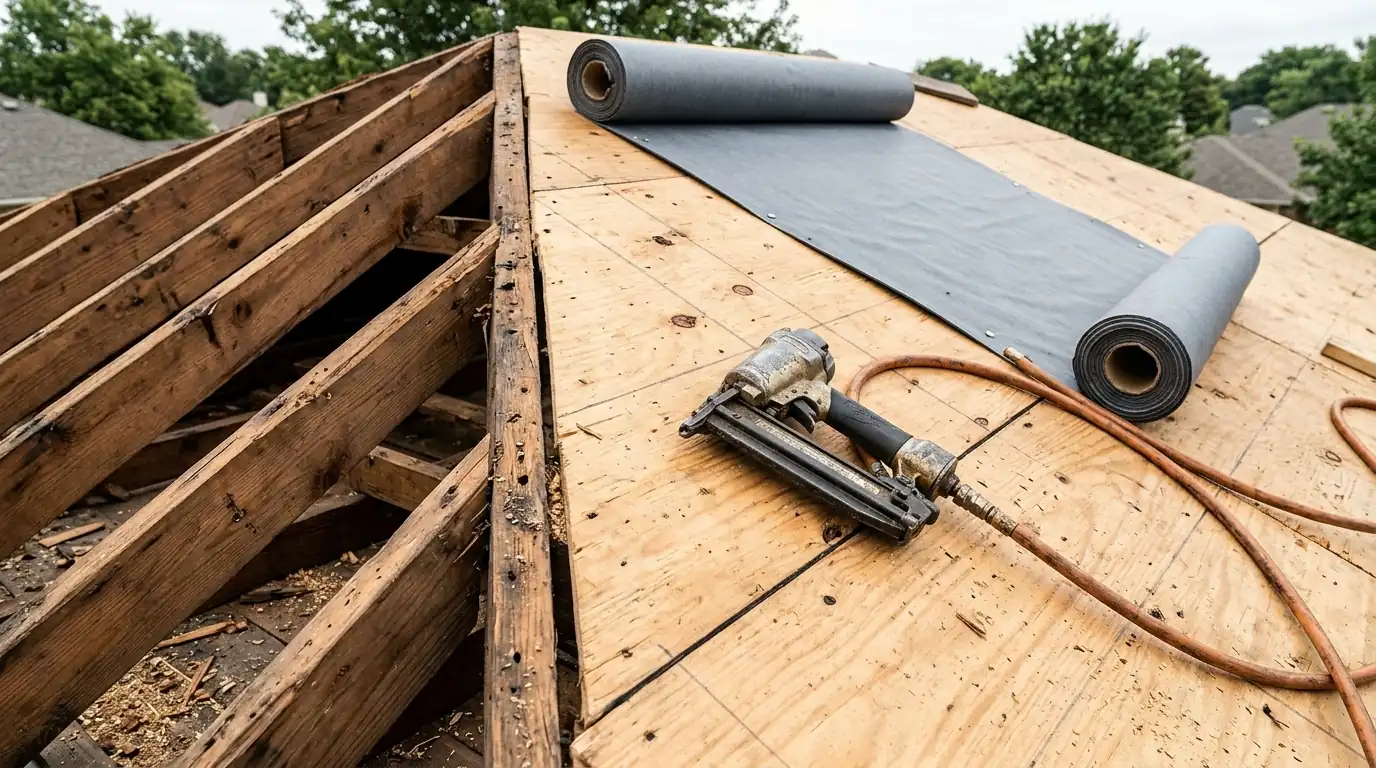
Scope matters as much as location. A tear-off where old shingles come off and new ones go on over the same deck is one kind of job. An overlay, where a new layer goes over the existing one, is another, and some places treat overlays differently because of the added weight and the limit on total layers. Replacing large areas of sheathing, changing the roof material from shake to composite or composite to metal, or adding significant weight can all affect what approval is required.
Structural changes are the clearest example. Changing the roof pitch, adding a dormer, building an addition, reframing rafters, or cutting new openings for skylights usually goes beyond a simple reroof. So can removing a chimney and patching the framing where it was. On commercial and multi-family buildings, the rules are often different again. The point is that the same street can have one house that needs a permit and another that does not, depending on the work. Each job gets its own answer.
- Tear-off versus overlay of an existing layer
- How much roof sheathing is being replaced
- A change in roofing material or added weight
- Structural work such as new pitch, rafters, or dormers
- New skylight openings or a chimney removal
Who to call and what to ask
Start by confirming your jurisdiction. Many county property lookup tools show whether a parcel is inside city limits. Then contact that building department, either the City of Vancouver or Clark County for most of our customers, or the city office if you live in Camas, Battle Ground, or another nearby town. Describe the job simply: the age and type of the current roof, what will be removed, what will go on, and whether any framing or openings will change. Clear details get clearer answers.
Ask whether a permit is needed for that scope, what inspections are involved, and how long approval usually takes. Ask whether the homeowner or the roofer typically applies. Write down the answers and the date you asked. If your home is in an HOA, remember that HOA approval and a building permit are separate. The HOA looks at color and material for looks. The building department looks at safety and code. You may need both before work begins. Plan time for each one.
How we handle permits on our jobs
On every project, we confirm the permit requirements with the jurisdiction that covers the address, based on the actual scope we have agreed on. Where a permit is required, we pull it and schedule any inspections as part of the job. The permit cost is listed on the bid as its own line, so you can see it. Where one is not required, we note that on the paperwork so you have a record if the question comes up later, such as when you sell the house.
If the scope changes once the old roof is off, for example if we find rotted rafters or need to replace much more sheathing than planned, we check whether that changes the permit picture before moving forward. We would rather pause for a day than finish a job that does not match what the building department expects. That protects the homeowner, and it keeps the job clean on paper for future buyers and insurers. It also keeps the final inspection, if one is required, simple and quick for everyone involved.
Why skipping a required permit causes trouble later
Permits can feel like red tape, but they matter when a house changes hands. Buyers, lenders, and home inspectors sometimes ask about recent roof work and whether it was permitted. Unpermitted work on a job that needed a permit can lead to delays in a sale, requests for inspections after the fact, or a lower offer. In some cases, opening up finished work for inspection costs far more than the permit would have. Sellers often learn this at the worst possible moment, during escrow, when every delay costs money and patience.
Insurance is another reason. If you file a claim after a storm and the insurer questions the roof's installation, having records of the work, including any permit and inspection, helps answer those questions. None of this means every reroof needs a permit. It means you should know the answer for your address and scope before work starts, and keep the paperwork afterward. A short call to the building department settles it. Keep a copy of the bid, the permit if any, and the final invoice in one folder with your house papers.
The short version
- Roofing permit rules depend on your jurisdiction and the scope of work, so there is no single answer for all of Vancouver.
- Tear-off versus overlay, sheathing replacement, material changes, and structural work can all change whether a permit is needed.
- Check with the City of Vancouver or Clark County building department, and expect your roofer to confirm and pull permits where required.
Leroy Swanson edits the Roofing Library for Roof Down Remodels, turning what our crews see on Clark County and Portland-area roofs into plain guides for homeowners.