In a place where most of the year's rain falls between October and May, timing a reroof feels important. A roof is open to the sky for part of every replacement, and nobody wants a downpour to arrive while the decking is bare. That makes summer the obvious choice. It is also the season when everyone else has the same idea, so schedules fill early and lead times grow.
The real answer depends on how urgent your roof is, how flexible you can be, and what kind of roof you are installing. This post walks through each season in the Vancouver and Portland area, what works well and what does not, and how crews handle reroofs when the weather is less cooperative.
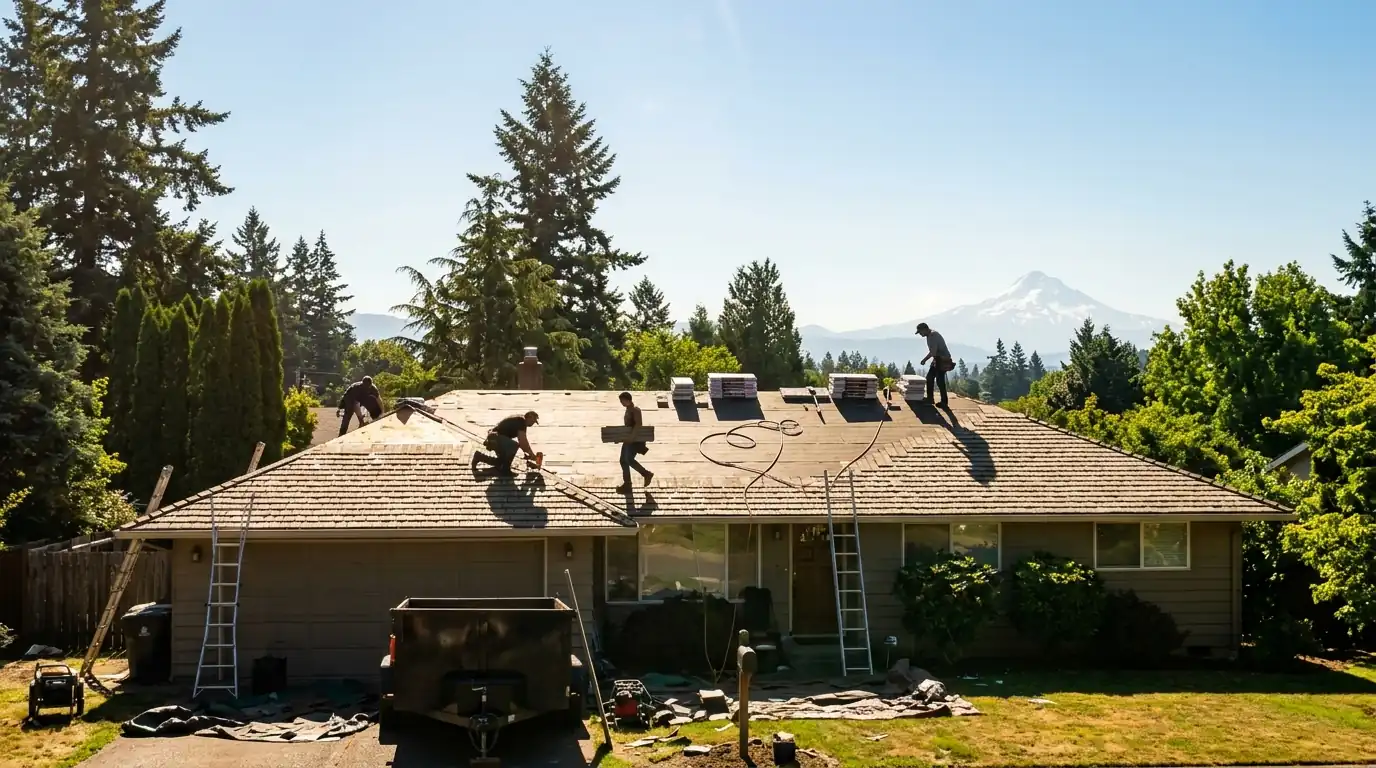
Summer: the easiest window and the busiest
July through September is usually the driest stretch of the year here. Long runs of dry days let crews open larger sections of roof at once, and shingles seal down well in warm weather because the adhesive strips need heat to bond. Tear-off debris stays dry and lighter to haul. For complicated jobs like shake-to-composite conversions, where the deck is exposed for longer and new sheathing goes on, summer gives the most room for surprises. Fewer delays also mean less time with a dump trailer in the driveway.
The downside is demand. Many homeowners wait for summer, and real estate sales add inspection-driven roof work at the same time. Booking in late spring, or even in winter for a summer start, is the best way to get the dates you want. Very hot days bring their own issues: shingles can scuff when they are soft, so crews may start early in the morning and avoid walking on new shingles during the hottest part of the afternoon. Plan around that and summer still works well.
Spring and early fall: good balance
May, June, and late September into early October often offer the best balance. Rain is less frequent than in winter, temperatures are mild, and schedules are often more open than in peak summer. Shingles still seal well once the sun warms the roof. These months suit homeowners who know their roof needs replacing and want to get ahead of the next wet season without competing for the busiest summer dates. Material deliveries also tend to arrive faster in these months, and crews have more room to adjust start dates.
Weather in these shoulder months can change quickly, so planning matters. Crews watch the forecast closely and plan each day around how much roof they can tear off and dry in before rain arrives. A good crew will not strip an entire roof on a day with a chance of afternoon showers. Early fall is also a smart time to replace an aging roof before the first atmospheric rivers and the first strong east winds of the season show up.
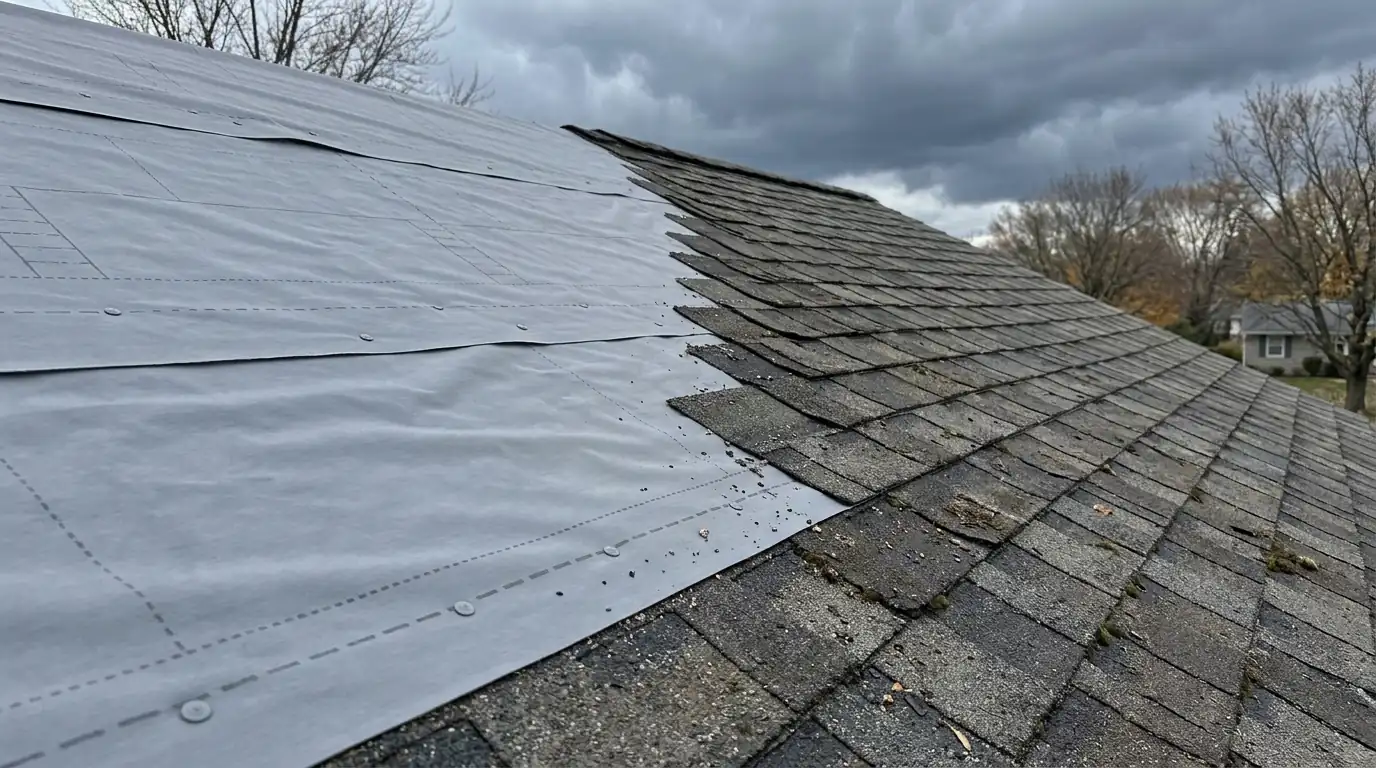
Winter: possible with the right planning
Reroofing in winter is common here, because roofs fail when the weather is bad and some cannot wait for summer. The work just needs more care. Crews open only small sections at a time, often one slope, and dry them in with underlayment before moving on. They watch for dry windows of a day or two between storms. Tarps stay on hand to cover anything that cannot be finished before rain. Work days are shorter, and some days are lost to weather.
Cold affects materials too. Shingle sealant strips do not bond well in cold weather, so in winter the shingles may not fully seal until the sun warms them, sometimes not until spring. On roofs exposed to east winds, crews often hand-seal shingles with roofing cement to hold them in the meantime. Ice and frost on the deck in the morning delay starts. A winter reroof usually takes longer than the same job in summer, but it can be done well.
- Open and dry in one section at a time
- Work the dry windows between storms
- Hand-seal shingles on windy, exposed slopes
- Keep tarps ready for anything left open overnight
- Expect a longer schedule than summer
When waiting is the wrong choice
Some roofs should not wait for good weather. If you have active leaks in several places, soft spots in the decking, or shingles coming off with every wind, the damage inside the house will cost more than any scheduling inconvenience. Water soaking into insulation and ceilings causes mold and rot that keep growing. In that case, a temporary repair or tarp can buy a little time, but planning the replacement for the next workable window is the safer path. Do not let a calendar decide.
Selling a house is another reason to move quickly. Buyers and lenders often want roof issues settled before closing, and those deadlines do not follow the weather. For a roof that is simply old but not leaking, waiting for spring or summer can make sense, especially if you want a specific product or color that needs HOA approval. We can look at the roof and tell you honestly whether it can wait, or whether waiting will cost you. Either way, you get a straight answer.
How material choice affects timing
Different roofs have different weather needs. Composite shingles can be installed in most seasons, with the sealing caveat in cold weather. Metal roofing is less sensitive to temperature, and panels can go on in cooler months as long as the deck is dry and the crew can work safely. Low-slope membranes, including torch-down, need dry surfaces and are best installed during dry stretches, so flat sections on porches or additions often get scheduled in summer or early fall. Ask about this when you schedule.
Cedar shake has its own timing considerations, since the wood swells and shrinks with moisture, and crews space shakes based on conditions. Lead times also vary by product. Some metal colors and specialty shingles take longer to order. If your HOA needs to approve the color, start that process a few weeks before you want work to begin. Planning around both the weather and the paperwork usually gets the job done when you want it. Small steps early prevent long delays.
The short version
- July through September is the easiest and busiest time to reroof in the Northwest, so book early.
- Spring and early fall often balance good weather with more open schedules.
- Winter reroofs work when crews open small sections, watch the forecast, and hand-seal shingles on windy slopes.
Leroy Swanson edits the Roofing Library for Roof Down Remodels, turning what our crews see on Clark County and Portland-area roofs into plain guides for homeowners.